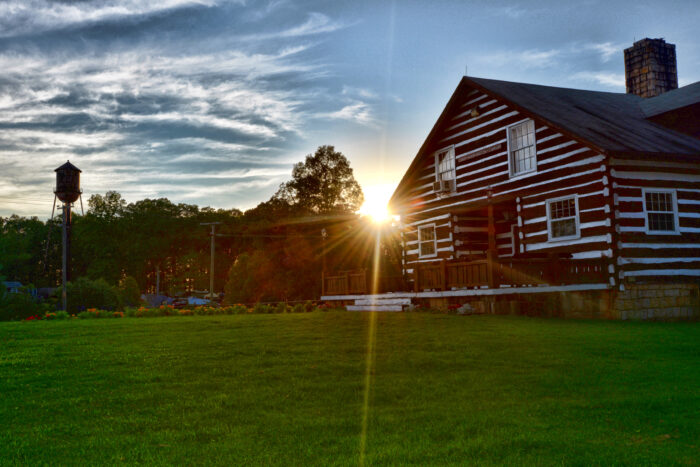

West Virginia has one of the most vast and interesting histories of any state in the nation. As the only state born out of the Civil War, exploring the Mountain State and its heritage is always an experience. But what are some things you may not know about West Virginia?
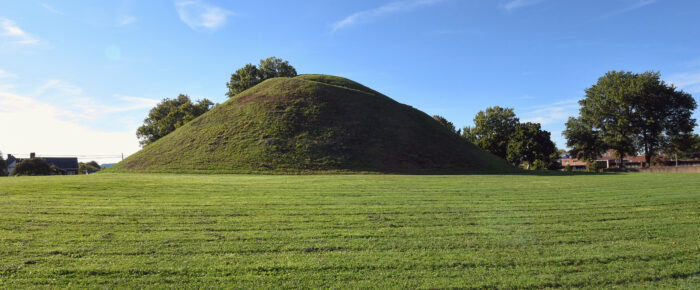
Home to the Largest Earthen Mound
Moundsville, named for its iconic feature, is home to the largest conical earthen mound in North America. Grave Creek Mound, constructed by the prehistoric Adena people, is 62 feet high and 240 feet in diameter at the base and is estimated to contain 57,000 tons of earth. Construction of the mound took place from about 250-150 B.C. and included multiple burials at different levels within the structure. The Grave Creek Archaeological Complex is home to multiple entities including a museum and an archaeological research center. The site is listed on the National Register of Historic Places.
Admission: FREE | Hours: Tuesday – Saturday, 9 a.m.-4:30 p.m. | 801 Jefferson Avenue, Moundsville, WV 26041
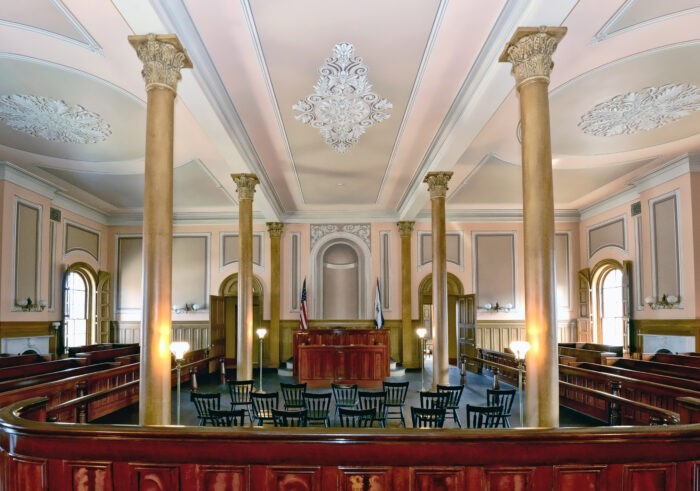
The State Born in Wheeling… Twice
Wheeling has worn many historic hats, but did you know it served as the capital of two states? In 1861, during the height of the Civil War, the city hosted the Restored Government of Virginia, which opposed secession. You can step into this pivotal moment in American history at West Virginia Independence Hall, beautifully restored and open to visitors today.
Admission: FREE | Hours: Tuesday – Saturday, 9 a.m.-4:30 p.m. | 1528 Market Street, Wheeling, WV 26003
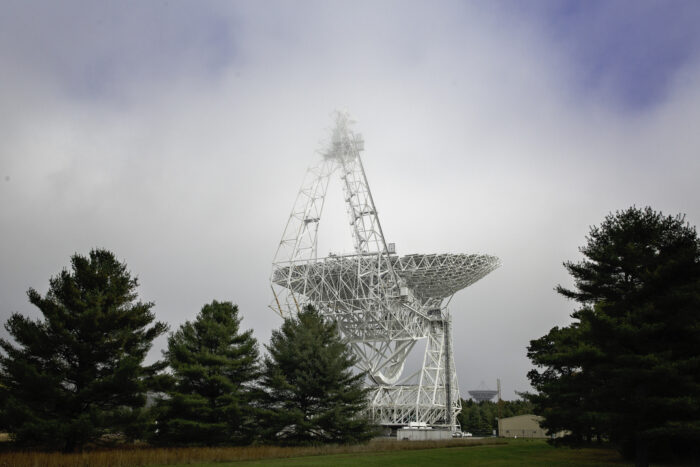
Listening to the Universe at Green Bank Observatory
Hidden away in the quiet beauty of Pocahontas County, scientists are tuning in to the deepest signals of space. The Green Bank Observatory is home to the world’s largest fully steerable radio telescope, an awe-inspiring instrument used to study everything from pulsars to galaxies. The public is encouraged to visit the observatory and the accompanying Green Bank Science Center and Gift Shop.
Admission: FREE (*Special guided tours may require a fee) | Hours: Monday – Sunday, 9:30 a.m.-5:30 p.m. | 155 Observatory Road, Green Bank, WV 24944
West Virginia’s First Boom wasn’t Black Gold
Most may assume coal was the first mineral industry to be developed in the state, but it was actually the salt industry that put West Virginia on the map. In the late 1700s, the Kanawha Valley bustled with saltworks, tapping into briny underground seas left behind by an ancient ocean. Today, you can still taste that legacy at J.Q. Dickinson Salt Works. This 7th-generation salt-making family continues to harvest an all-natural salt by hand, from an ancient ocean trapped below the Appalachian Mountains of the Kanawha Valley in West Virginia.
Admission: Adults – $5, Children (12 and under), FREE | Hours: Monday-Saturday, 10 a.m.- 4 p.m. *last tour begins at 3:30 p.m. | 4797 Midland Drive, Malden, WV 25306

A Building Made Entirely of Coal
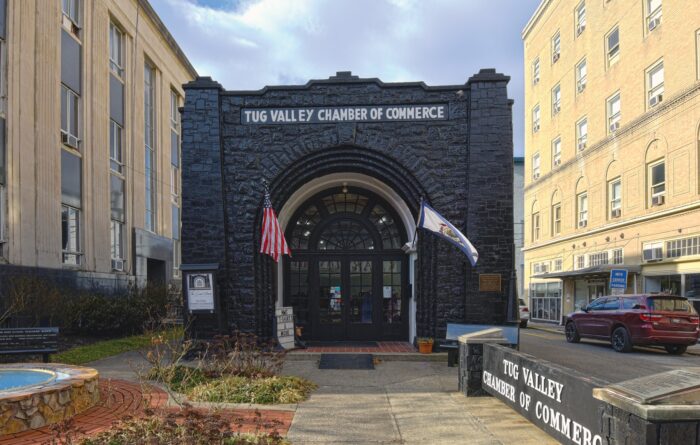
One of the most unique buildings in West Virginia, located in downtown Williamson, was originally a marketing marvel designed to showcase the region’s coal industry. The 1,600-square-foot Coal House, now home to the Tug Valley Chamber of Commerce, was constructed in 1933 from 65 tons of bituminous coal. Hand-sawn blocks of coal joined with black mortar form the rectangular structure’s four walls and two pillars. It’s also on the National Register of Historic Places, because where else can you walk into a building made of coal?
Admission: FREE | Hours: Tuesday – Friday, 10 a.m.-2 p.m. and Saturday, 9 a.m.-1 p.m. | 73 East 2nd Avenue, Williamson, WV 25661
A Hospital with a Haunting Past
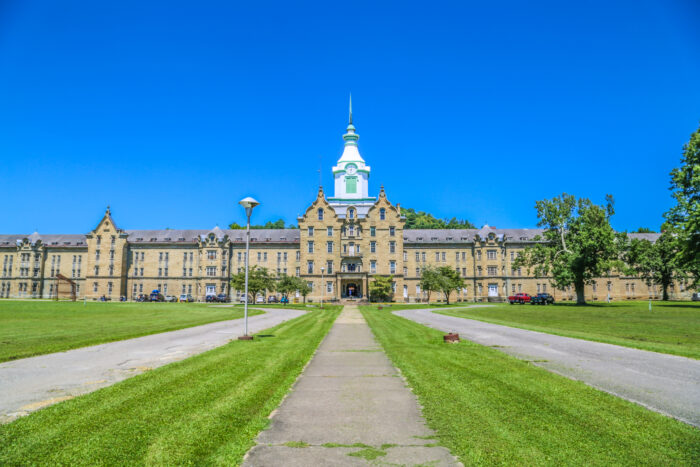
With its looming gothic architecture and storied history, the Trans-Allegheny Lunatic Asylum has become one of West Virginia’s most talked about landmarks. Built between 1858 and 1881, it holds the title of largest hand-cut stone masonry building in North America. The hospital housed West Virginians with mental health issues from 1864 to 1994. Today, the facility is open for guided heritage and history tours and ghost tours.
*Tours are seasonal and prices vary. Check the website for details.* | 71 Asylum Drive, Weston WV 26452
A Camp that Changed the Course of History
Camp Washington-Carver in Clifftop made history in 1942 as the first 4-H camp for African-American youth in the United States . Named after Booker T. Washington and George Washington Carver, the camp quickly became a hub for education, arts and community in Appalachia. Today, programs like the Appalachian String Band Festival, theater, camps, and more, continue that legacy.. It is also featured by the National Park Service’s African-American Heritage Driving Tour – a route worth adding to your bucket list.
(304) 438-3005 | 1277 Washington Carver Road, Clifftop, WV 25831